Film's catalog

Loading...
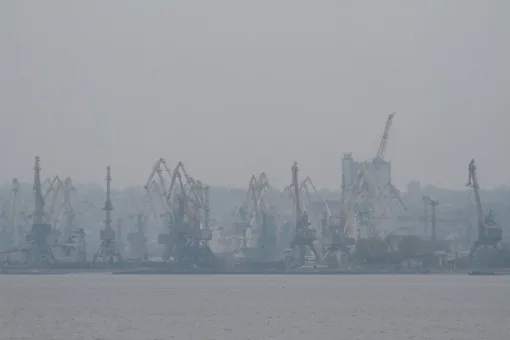
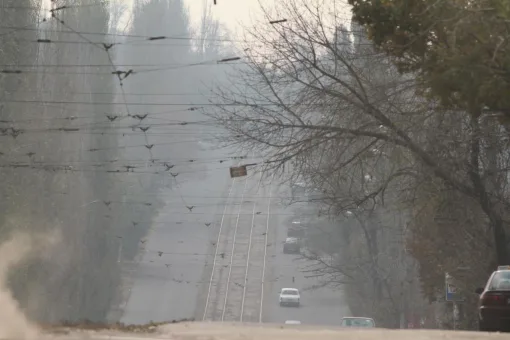
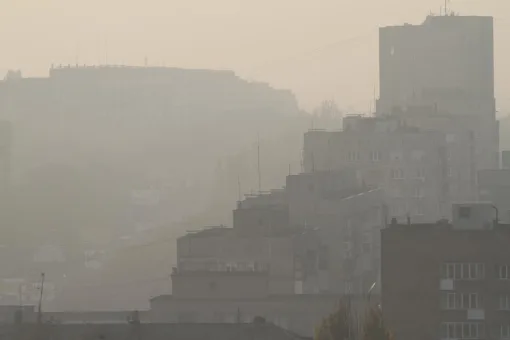
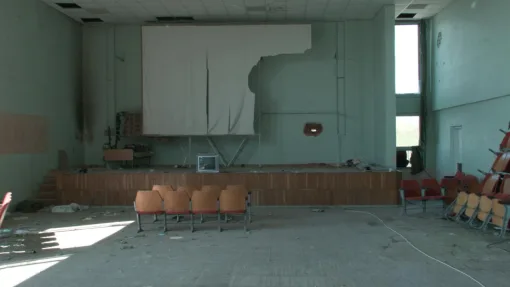
Premiered at Berlin International Film Festival in 2016, Mariupolis is a remarkable and timely documentary on the Ukrainian city of Mariupol, situated on the borderline with the Russian-occupied territory of Donetsk. Lithuanian director Mantas Kvedaravičius focuses on the life of its residents who must live in the shadow of ongoing war. Instead of dwelling on the raging battles and their bloody outcomes, Kvedaravičius’ story revolves around a population that is carrying on with their daily chores. Originally part of a different project bound to examine the Greek legacy in the Black Sea region and covering Athens, Istanbul, and Odessa, the documentary has unexpectedly evolved into an independent powerful manifesto about the futility of war.
On 2 April 2022, Kvedaravičius was taken hostage and killed by the Russian troops while trying to flee the besieged Mariupol. He’d been caught in the city by war while working on his new documentary. Kvedaravičius was 45. He had a PhD in social anthropology from Cambridge. His legacy also includes the famous documentary Barzakh (2011) on violence and torture in Chechnya, which earned him 15 international awards, including Amnesty International Film Prize.